Glioma Organoids
Advanced three-dimensional human glioma models designed to support research into tumor biology, cellular behavior, disease mechanisms, therapeutic response, and translational neuro-oncology.
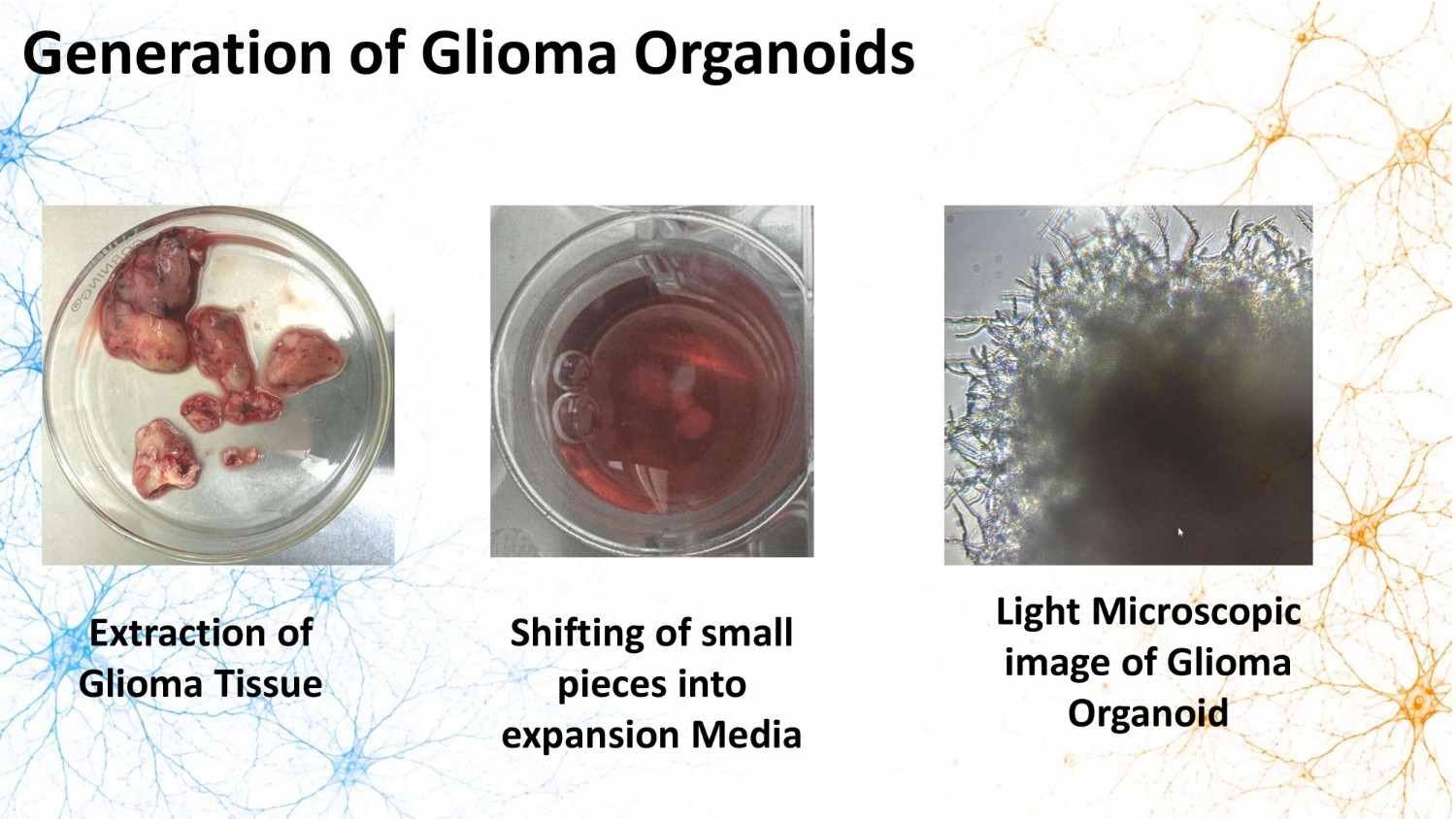
A 3D window into glioma biology.
Glioma research often requires experimental systems that capture biological organization beyond what conventional monolayer cultures can provide.
Move beyond conventional 2D culture
Glioma organoids provide a three-dimensional experimental setting where researchers can investigate tumor-associated cellular behavior, tissue organization, morphology and response to experimental perturbations.
Designed for deeper glioma research.
A structured organoid platform can help researchers connect morphology, cellular behavior, experimental perturbation and downstream analysis within a three-dimensional model.
3D Tumor Architecture
Explore glioma-associated cellular organization and morphology within a three-dimensional experimental model.
Cellular Behavior
Investigate cellular characteristics and biological responses under defined experimental conditions.
Tumor Phenotyping
Support morphological, cellular and molecular characterization according to the research design.
Experimental Perturbation
Create opportunities to investigate responses following experimental treatments or biological perturbations.
Imaging-Compatible
Use imaging approaches to visualize morphology and cellular features across different experimental workflows.
Translational Research
Provide a complementary model system for preclinical and translational neuro-oncology research.
Explore glioma biology in three dimensions.
Glioma organoids can serve as a complementary research model for investigating biological questions that require spatial organization and three-dimensional cellular context.
Understanding Tumor Behavior
Three-dimensional models allow researchers to examine changes in cellular organization, morphology and behavior within a more structured experimental environment.
Supporting Mechanistic Studies
Researchers can combine organoid culture with appropriate molecular and cellular assays to investigate mechanisms associated with glioma biology.
From model generation to biological insight.
Build a structured workflow around organoid generation, monitoring, characterization and study-specific analysis.
Model Generation
Establish the three-dimensional glioma organoid model according to the selected research workflow.
Culture & Monitoring
Maintain and monitor organoid morphology and experimental characteristics throughout the study.
Characterization
Apply appropriate imaging, cellular or molecular characterization methods based on study objectives.
Data Interpretation
Compare experimental observations and integrate findings into the broader research question.
One model. Multiple research possibilities.
Glioma organoids can support a broad range of experimental programs across disease modelling, phenotyping and therapeutic research.
Glioma Disease Modelling
Investigate disease-associated cellular and structural features in a three-dimensional model.
Genetic & Molecular Studies
Combine organoid models with molecular assays to investigate biological mechanisms.
Drug Screening Research
Evaluate experimental compounds and investigate biological responses under controlled conditions.
Treatment Response
Compare morphological or cellular changes following experimental treatment exposure.
Imaging & Phenotyping
Visualize organoid structure and investigate selected cellular features using suitable imaging approaches.
Translational Research
Use three-dimensional models as a complementary platform for preclinical neuro-oncology research.
A model for exploring treatment response.
Glioma organoids can be incorporated into experimental workflows where researchers want to investigate how three-dimensional tumor models respond to selected compounds or treatment conditions.
Example research workflow
See tumor biology at multiple scales.
Imaging and characterization approaches can help researchers evaluate organoid morphology, structure and selected cellular features.
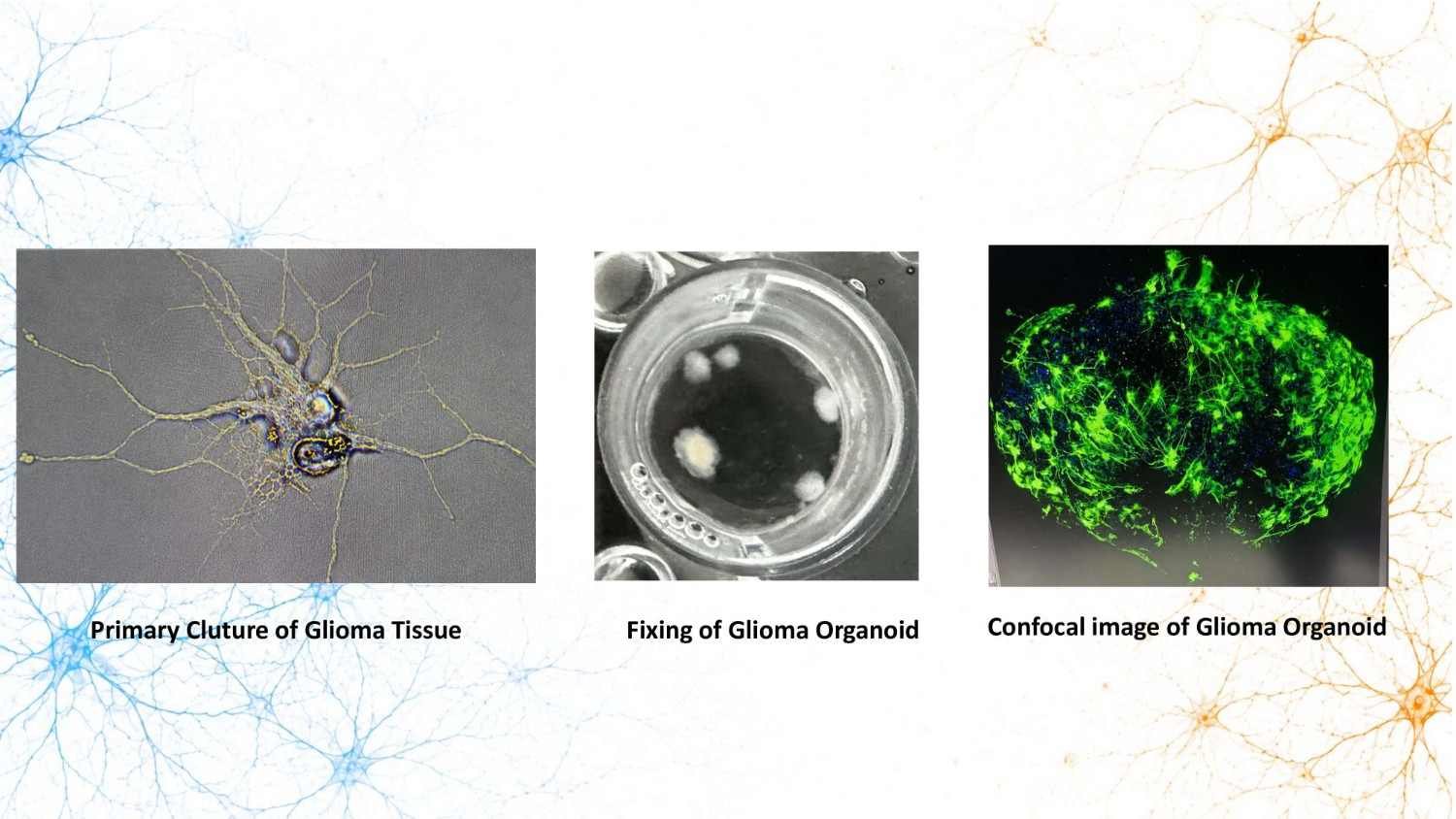
Organoid Characterization
Characterization workflows can be designed around the biological questions and endpoints relevant to a particular study.
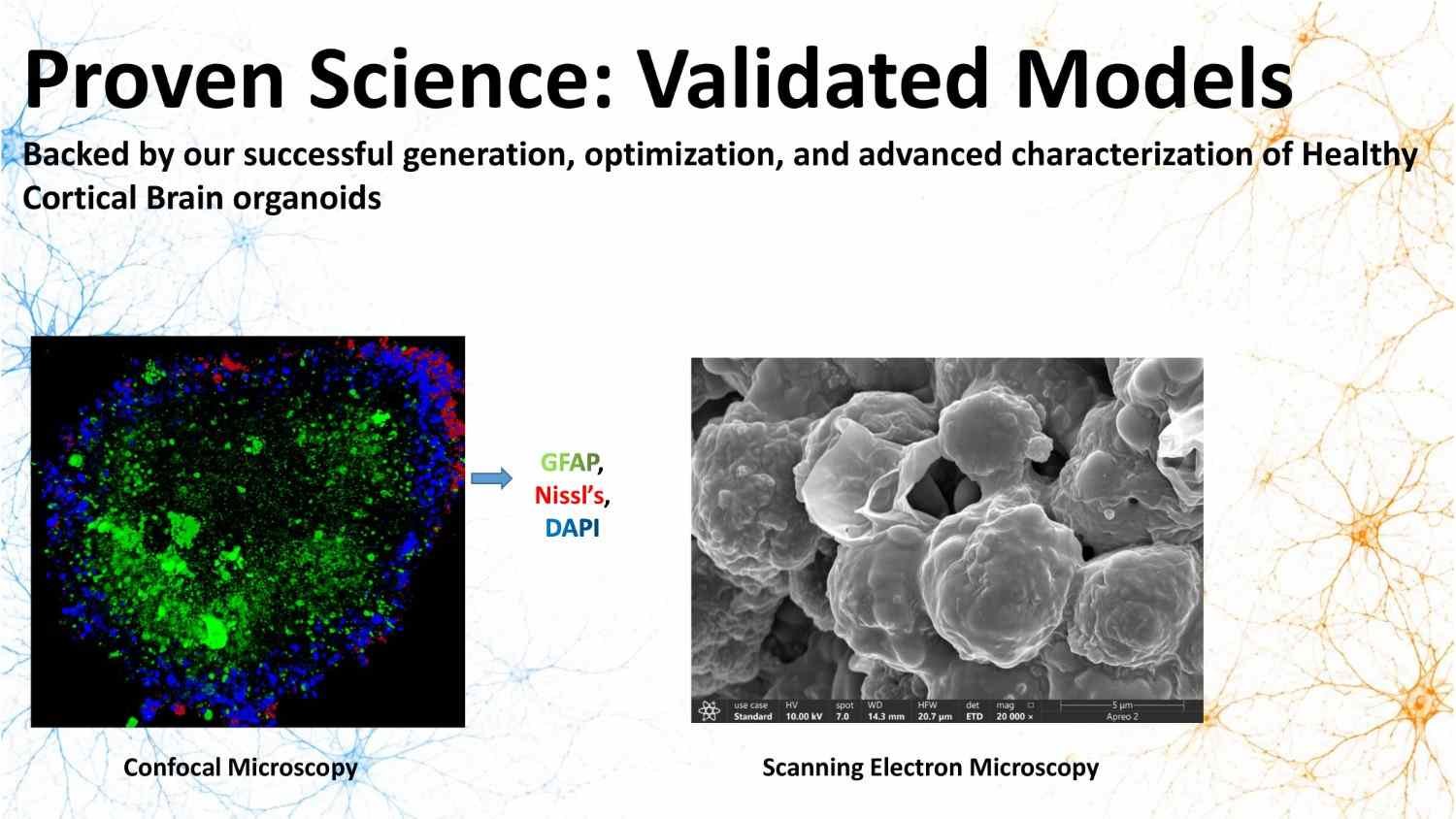
High-Resolution Imaging
Advanced microscopy approaches may provide additional structural information when appropriate for the experimental workflow.
Built around research flexibility.
Product characteristics and study-specific requirements can be discussed with the KYAH Healthcare research team.
Research-ready platform
Design your experimental strategy around the biological question, desired endpoints and characterization workflow.
Questions researchers ask.
What are glioma organoids?
Why use glioma organoids instead of conventional 2D culture?
Can glioma organoids be used for drug research?
Can glioma organoids support personalized research?
What characterization methods can be used?
Can the model be used for neuro-oncology research?
Are glioma organoids clinical products?
Turn complex glioma biology into actionable research.
Discuss your research objectives, model requirements and characterization strategy with the KYAH Healthcare team.